Author: Chris Han
-
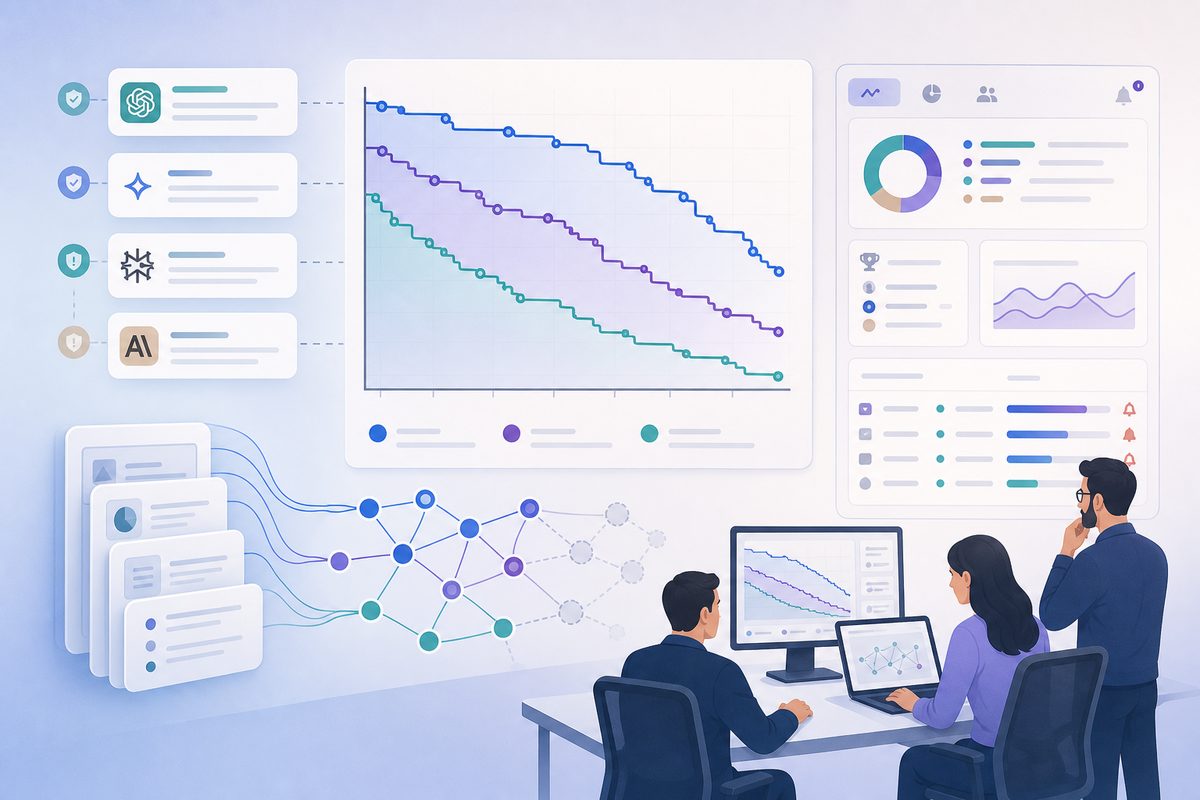
Why AI Cititations Change: Measure Source Decay
Learn why AI citations change between runs, how to separate normal variation from source decay, and how to measure citation half-life with survival curves.
-

Enterprise GEO Strategy: A Practical Operating Model
Build an enterprise GEO strategy that connects ownership, prompt data, metrics, experiments, governance, tools, and a practical 90-day rollout.
-

GEO Team Structure: Roles, Ownership, and Org Models
Build a GEO team structure with the right owners, roles, RACI, capacity model, workflow, KPIs, escalation rules, and 90-day rollout plan.
-
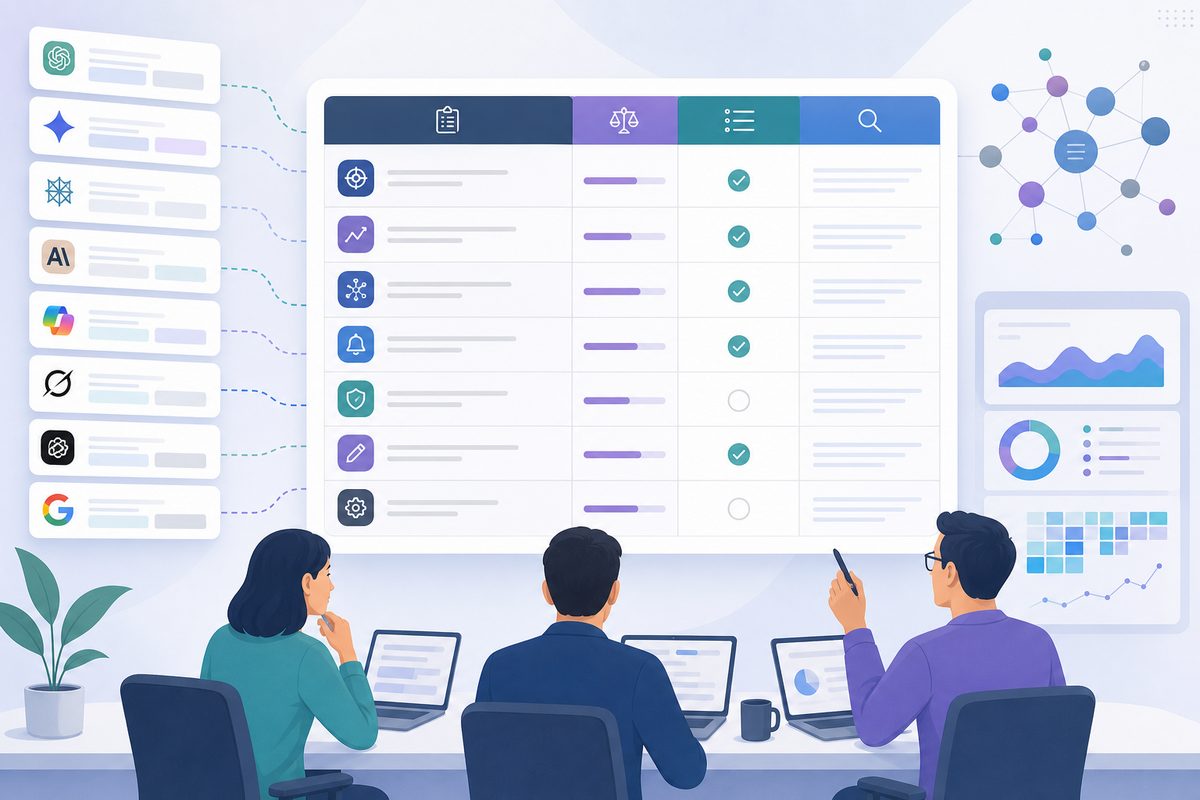
AI Visibility RFP Template: 100-Point Vendor Scorecard
Copy this AI visibility RFP template with pass/fail gates, a 100-point scorecard, POC tests, pricing questions, and required vendor evidence.
-

GEO Agency vs In House: Cost, Control & Fit
Compare GEO agency vs in house teams by cost, expertise, control, execution capacity, and risk. Use the scorecard and 90-day pilot to choose.
-
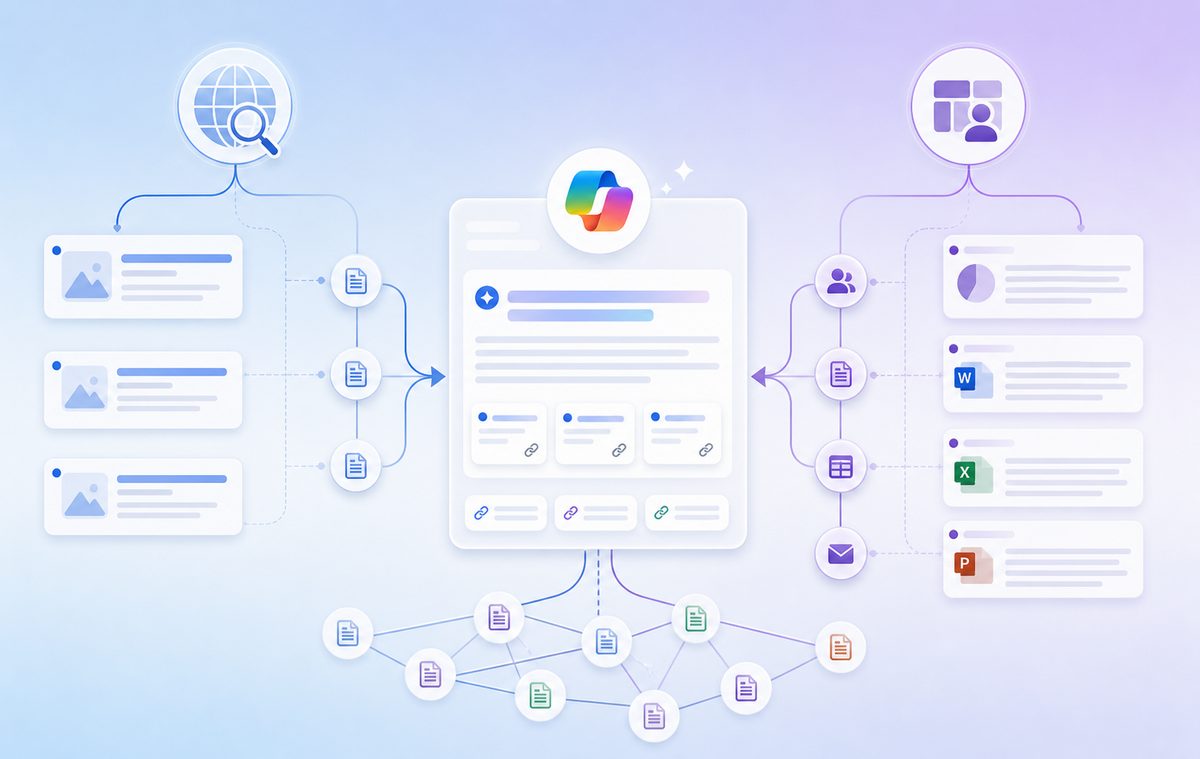
How to Get Cited by Microsoft Copilot: The Bing-Plus-Graph Playbook
How to get cited by Microsoft Copilot: it pulls from the Bing index and a buyer’s M365 tenant. See our citation data, then run the 6-step audit.
-
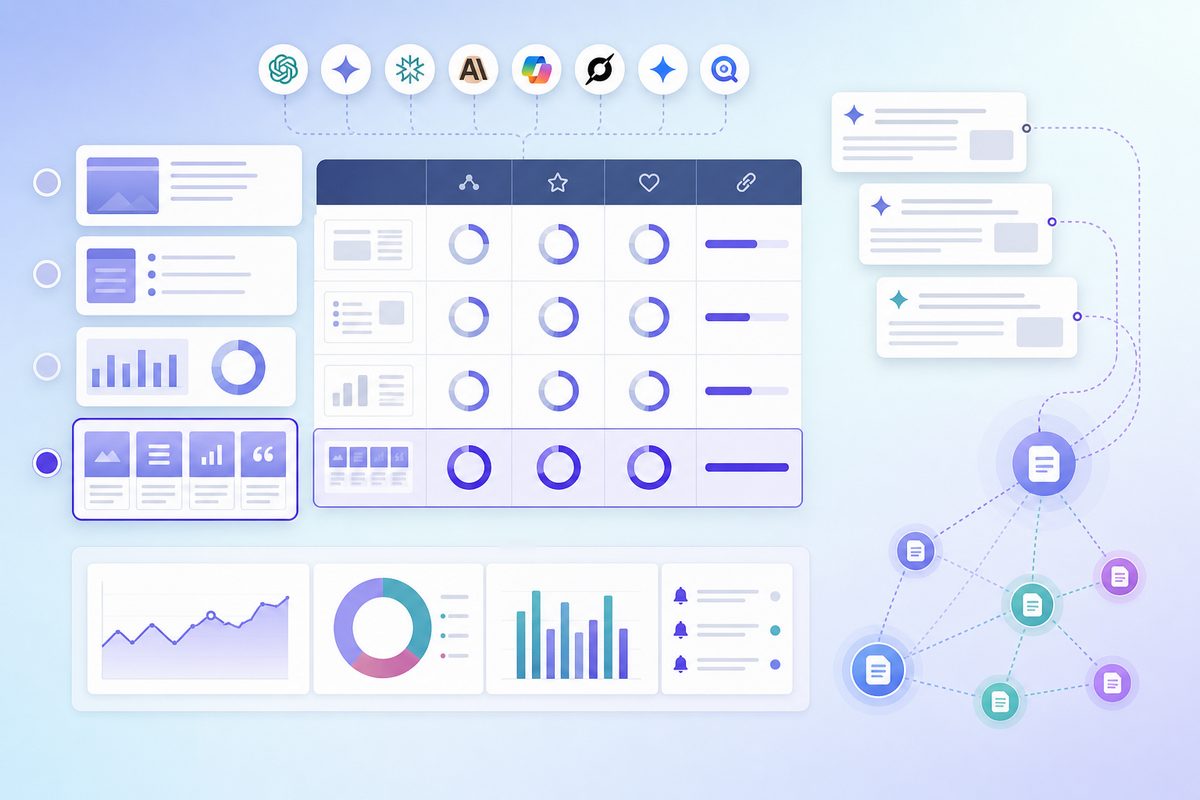
Case Studies for AI Search: How to Structure Results So Engines Cite Them
Case studies for AI search get skipped when results aren’t verifiable. Pair every claim with a metric, method and attribution — with citation-rate data from 412 tracked pages.
-
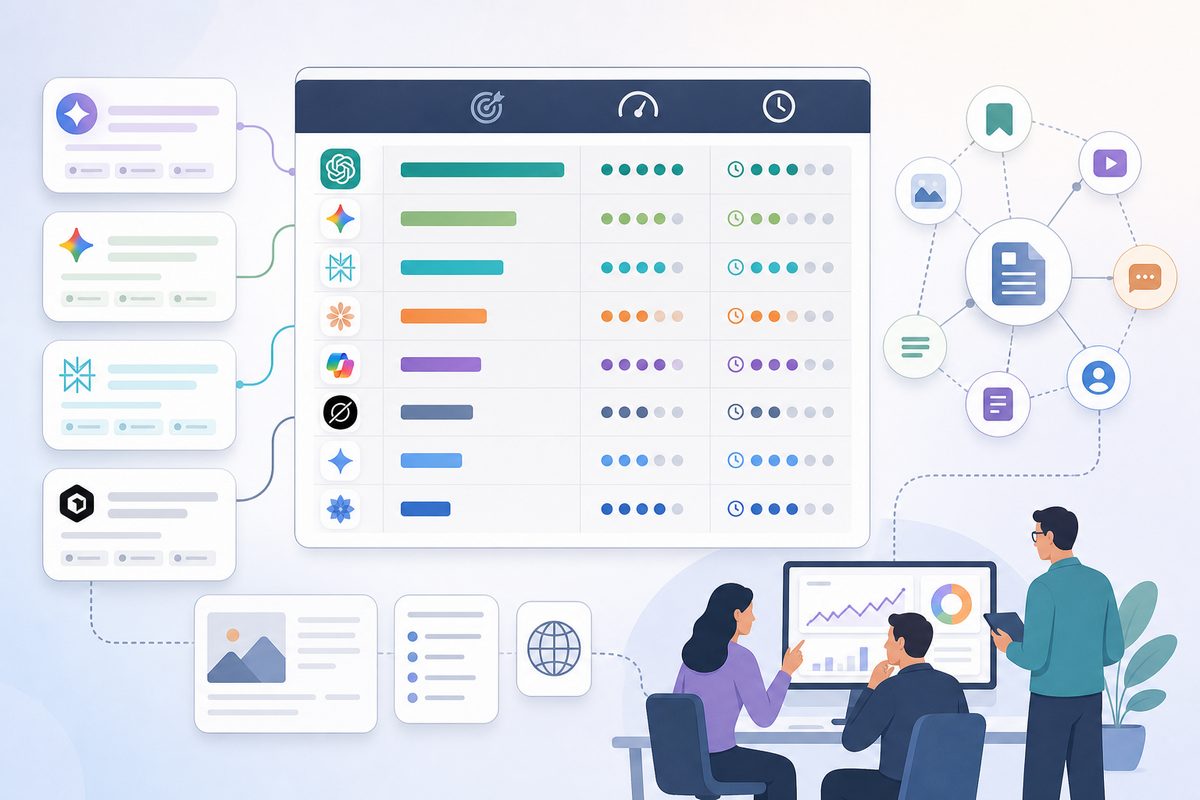
Third-Party Sources for AI Citations: Which to Earn First
Third-party sources for AI citations don’t pay off equally. Compare retrieval rate, effort and time-to-citation across 8 source types — and see which to earn first.
-
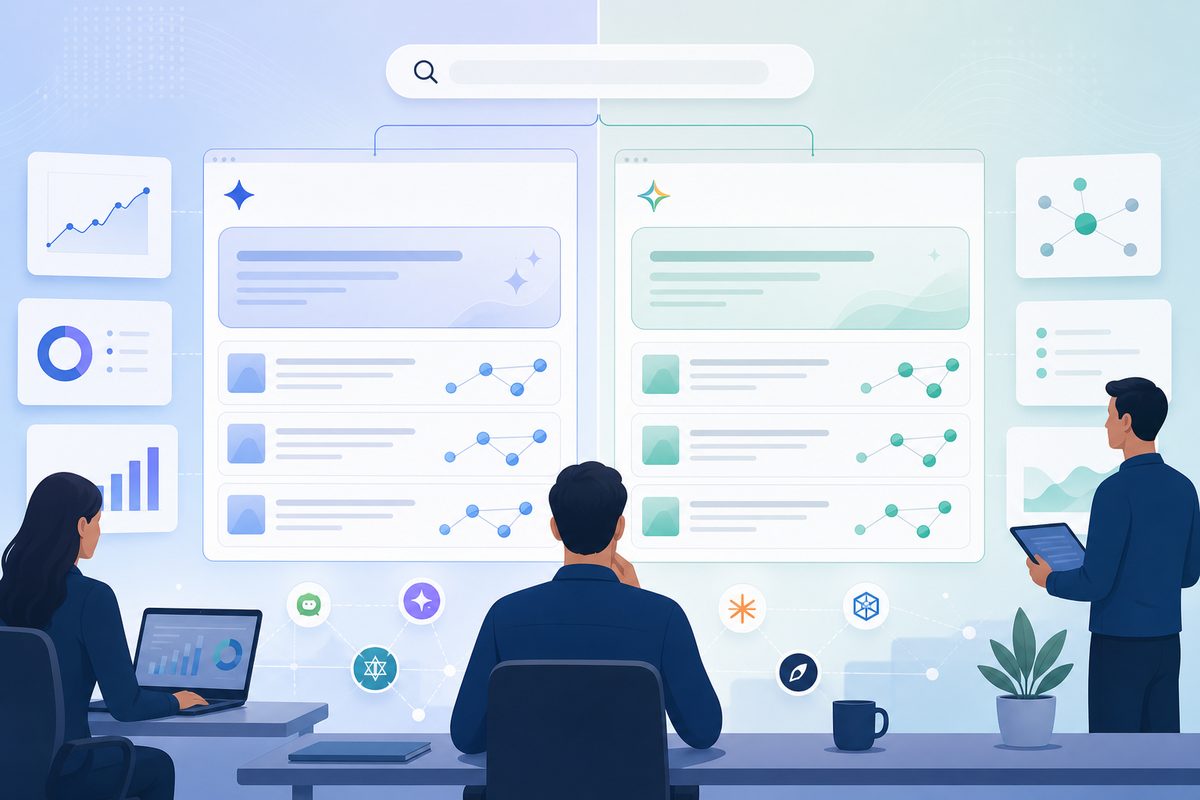
Google AI Mode Visibility: How Brands Get Surfaced in Conversational Search
Google AI Mode visibility runs on a different retrieval path than AI Overviews: our 13-week panel of 1,180 prompts found 11.4% URL overlap. What to fix, in order.
-
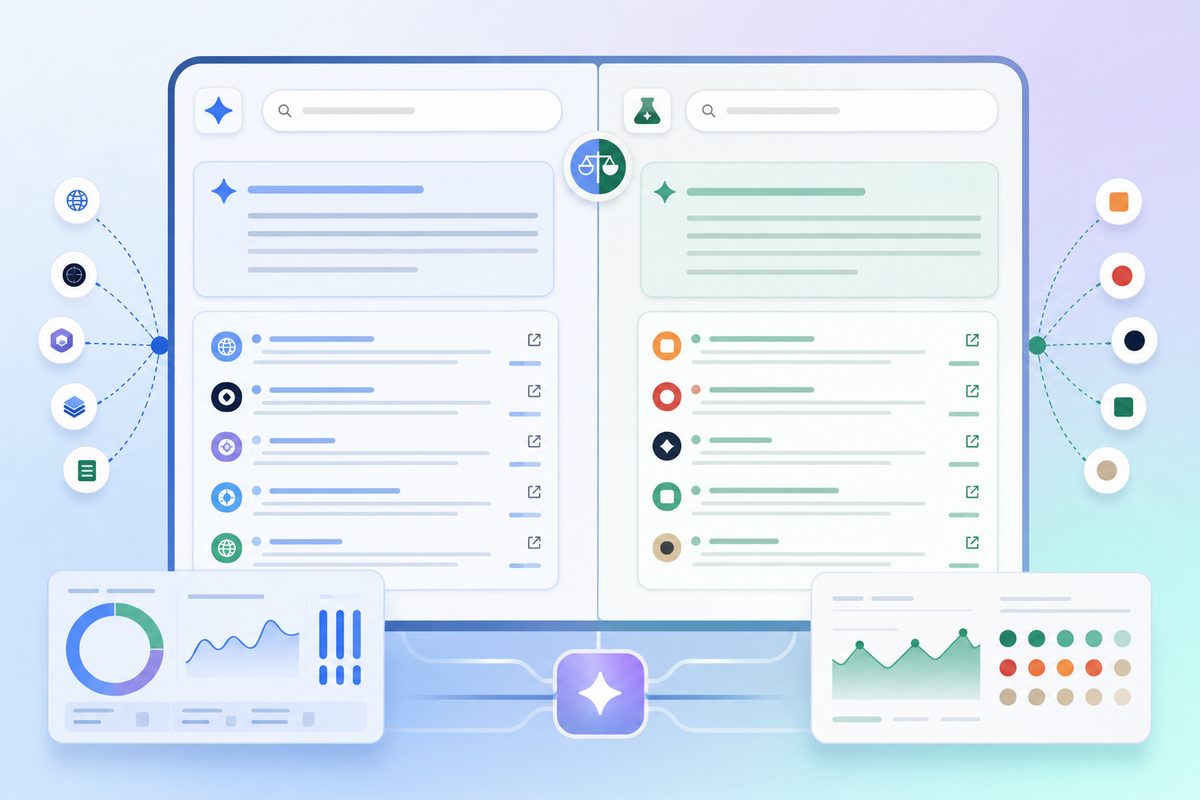
AI Mode vs AI Overviews: Same Query, Different Sources — and Why
AI Mode vs AI Overviews shared just 18.6% of cited URLs across 731 paired queries in our six-week study. See what makes a page win both — and how to audit yours.