作者:maxaeo.ai|发布日期:2025-06-10|更新日期:2025-06-10
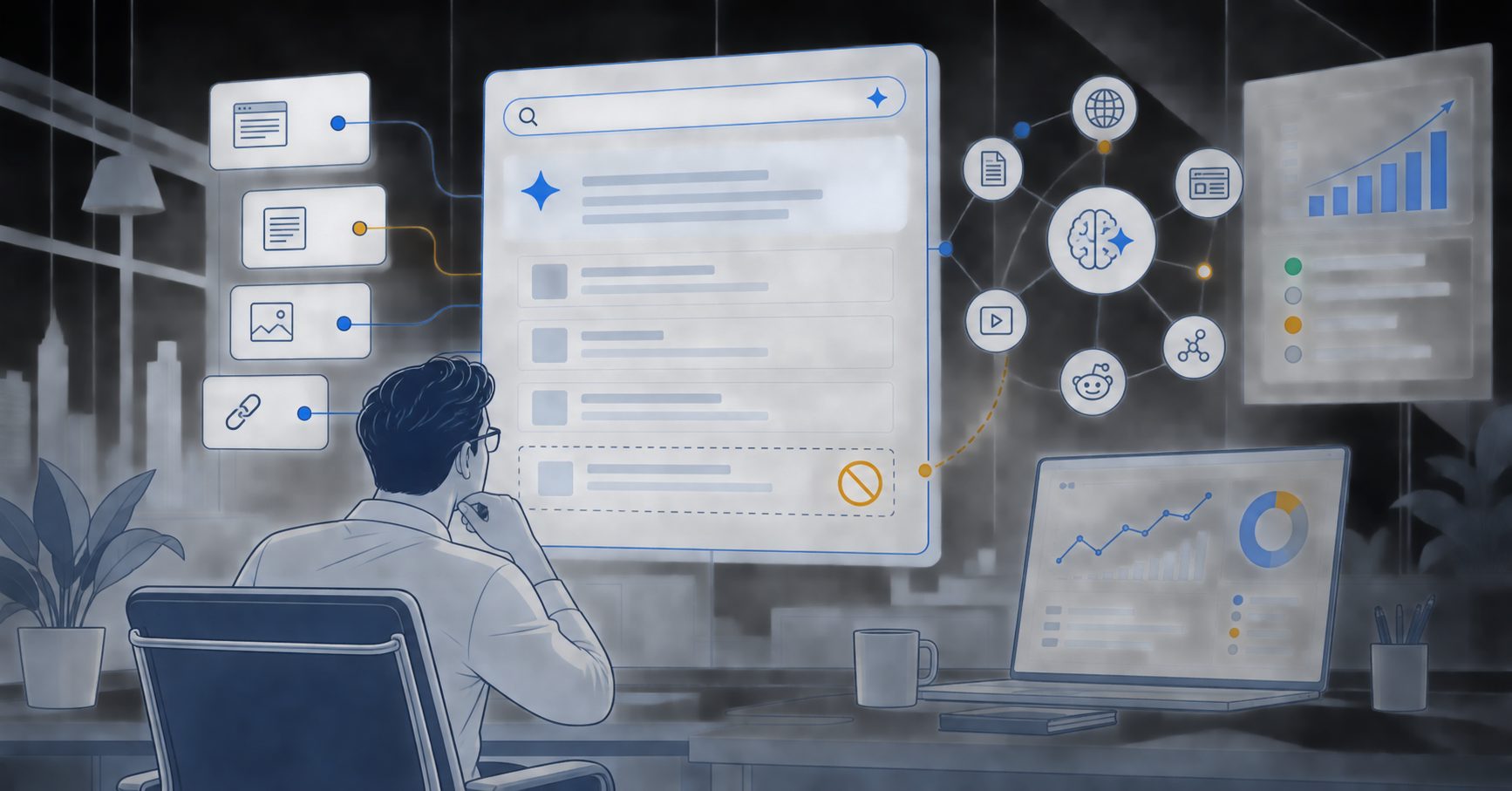
"Why is my site not cited in AI?" is one of the most common troubleshooting queries from marketing teams right now — and for good reason. Your pages rank on Google, your traffic is fine, but when a buyer asks ChatGPT, Perplexity, or Gemini for a recommendation, your brand simply doesn’t exist in the answer.
The short answer: AI engines cite pages they can easily crawl, verify, and extract — and they prefer sources already trusted across the web. Most sites fail at least one of those three gates. Below is a diagnostic framework built from monitoring brand citations across 8 AI engines, covering the seven causes we see most often and how to fix each one.
How AI engines actually choose what to cite
AI answer engines don’t rank pages the way Google does. They retrieve candidate sources, then select passages that are self-contained, factual, and attributable. A page can rank #1 organically and still be ignored by ChatGPT because its content is buried in marketing prose or blocked from AI crawlers.
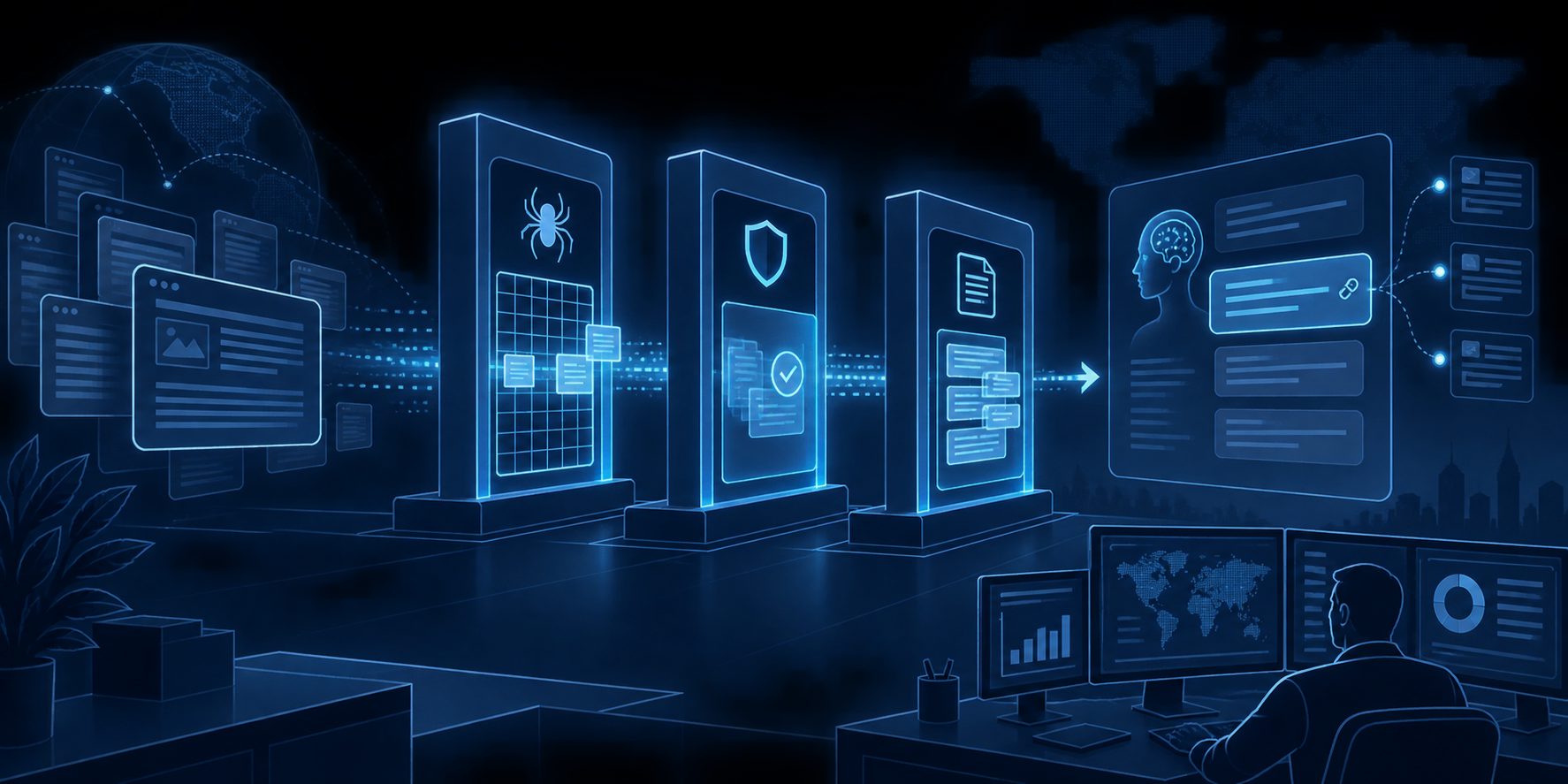
Think of citation as a three-gate filter:
- Access — can AI crawlers (GPTBot, PerplexityBot, ClaudeBot) actually read the page?
- Trust — does the model already recognize your brand from multiple third-party sources?
- Extractability — does the page contain clean, quotable answers?
Failing any one gate is enough to disappear. Most troubleshooting guides only cover gate three; the technical and authority failures are where most sites actually lose.
Cause 1: AI crawlers are blocked or can’t render your content
The most overlooked reason a site isn’t cited in AI is invisible: your robots.txt or CDN is blocking AI user agents. Many security plugins and firewall defaults block GPTBot, OAI-SearchBot, PerplexityBot, and ClaudeBot without the site owner knowing.
Check in five minutes: open yoursite.com/robots.txt and look for Disallow rules targeting these agents, then review your CDN/WAF bot rules. Also test whether your key content renders without JavaScript — AI crawlers frequently skip client-side rendered pages entirely, so if your product copy lives behind a React hydration step, it may never be seen.
Cause 2: The web doesn’t corroborate your brand
AI models build brand knowledge from consensus across third-party sources — review sites, comparison articles, documentation, Reddit threads, and directories. If the only place your product is described is your own website, models have nothing to verify against and default to competitors with denser mention graphs.
This is the authority gap. Run your category’s top buyer prompts ("best [category] tools", "[competitor] alternatives") and note which domains the AI cites. In our monitoring data, cited brands typically appear across review platforms, comparison listicles, and community discussions — not just their own blog. A structured AI search visibility gap analysis will show you exactly where that corroboration is missing.
Cause 3: Your content isn’t structured for extraction
Even crawlable, trusted pages fail if answers aren’t quotable. AI engines favor:
- Direct answers in the first 40–60 words of a section
- Question-format H2/H3 headings that mirror real prompts
- Short paragraphs, comparison tables, and step lists
- Specific numbers, dates, and definitions — not hedged marketing language
If your key page opens with three paragraphs of brand storytelling before answering the question, the passage an AI would have quoted doesn’t exist. Restructure each important section so the answer comes first, then the supporting detail. An llms.txt implementation audit is also worth running — while llms.txt is not a ranking guarantee, it helps ensure AI agents find your canonical, high-value pages instead of thin ones.
Cause 4: Wrong or outdated information lowers trust
AI engines cross-check claims. If your site says one thing and G2, documentation, or recent reviews say another — different pricing, deprecated features, stale stats — models treat your page as unreliable. Keep pricing pages, feature lists, and comparison content current, and cite primary sources for every statistic you publish.
Cause 5: Competitors own the citation sources
Sometimes nothing is wrong with your site — the AI is simply citing the sources that talk about your competitors. Citation tracking shows which specific domains, articles, and Reddit threads AI answers pull from. If three comparison articles drive most citations in your category and you’re absent from all three, that’s the fix: earn inclusion in the sources AI already trusts. Our guide on competitor AI mention tracking walks through finding the exact prompts where rivals win and you don’t.
Cause 6: You only measure Google, not AI answers
Rankings and AI citations diverge. A page sitting at position 8 can be heavily cited by Perplexity; a #1 result can be ignored by ChatGPT. If you’re not measuring AI mention rate, average recommendation position, and sentiment separately, you’re diagnosing blind. MaxAEO monitors brand mentions, citations, and sentiment daily across 8 AI engines — ChatGPT, Perplexity, Gemini, Claude, Copilot, Grok, DeepSeek, and Google AI Overviews — with a free visibility audit that generates a mention-rate and competitor report from just your domain in minutes.
Cause 7: Expectations are misaligned with engine behavior
AI answers are probabilistic and personalized. A brand can appear in 60% of runs for a prompt and 0% for a paraphrase. Single manual checks mislead; you need repeated, daily measurement across engines to distinguish a real citation problem from normal variance. This is why trend lines matter more than any one answer — a point our cross-platform AI monitoring framework covers in depth.
Your 30-minute diagnostic checklist
Run this in order; stop when you find the break:
- Robots/WAF: confirm GPTBot, PerplexityBot, ClaudeBot, and OAI-SearchBot are allowed.
- Rendering: view your key pages with JavaScript disabled — is the core content visible?
- Prompt test: run 10 buyer prompts in ChatGPT and Perplexity; log who gets cited and from which sources.
- Corroboration: search your brand on review sites, Reddit, and comparison articles. Thin presence = authority gap.
- Extractability: does each target page answer its core question in the first 50 words?
- Freshness: are pricing, features, and stats current and consistent with third-party listings?
- Baseline: set up daily monitoring so fixes are measurable, not anecdotal.
Frequently asked questions
How long does it take to get cited after fixing these issues?
Technical fixes (robots.txt, rendering) can reflect within weeks as AI crawlers revisit. Authority fixes — earning third-party mentions — typically take one to three months of consistent effort before mention rates move measurably.
Does ranking #1 on Google guarantee AI citations?
No. Google rankings and AI citations use different selection logic. AI engines weight extractability and cross-source consensus far more than backlink-driven rank position.
Will llms.txt make AI engines cite me?
No file guarantees citation. llms.txt helps AI agents locate your best content, but citation still depends on access, trust, and extractable answers.
Which AI engine should I optimize for first?
Start where your buyers ask. For most B2B SaaS brands that’s ChatGPT and Perplexity; monitor all major engines anyway, because citation behavior differs significantly between them.
Can I check my AI visibility for free?
Yes. MaxAEO’s free audit generates a report covering mention rate, position, sentiment, and competitor comparison from just your brand name and URL — no code installation or internal data required.