
Profound answer engine optimization represents the next evolution of search visibility, shifting focus from ranking ten blue links to engineering authoritative digital footprints that large language models (LLMs) actively retrieve, synthesize, and cite. As buyers increasingly rely on AI platforms like ChatGPT, Perplexity, Gemini, and Claude for product evaluations, standard SEO tactics no longer guarantee market presence. Achieving true visibility requires a deep understanding of semantic retrieval, source weighting, and answer engine mechanics.
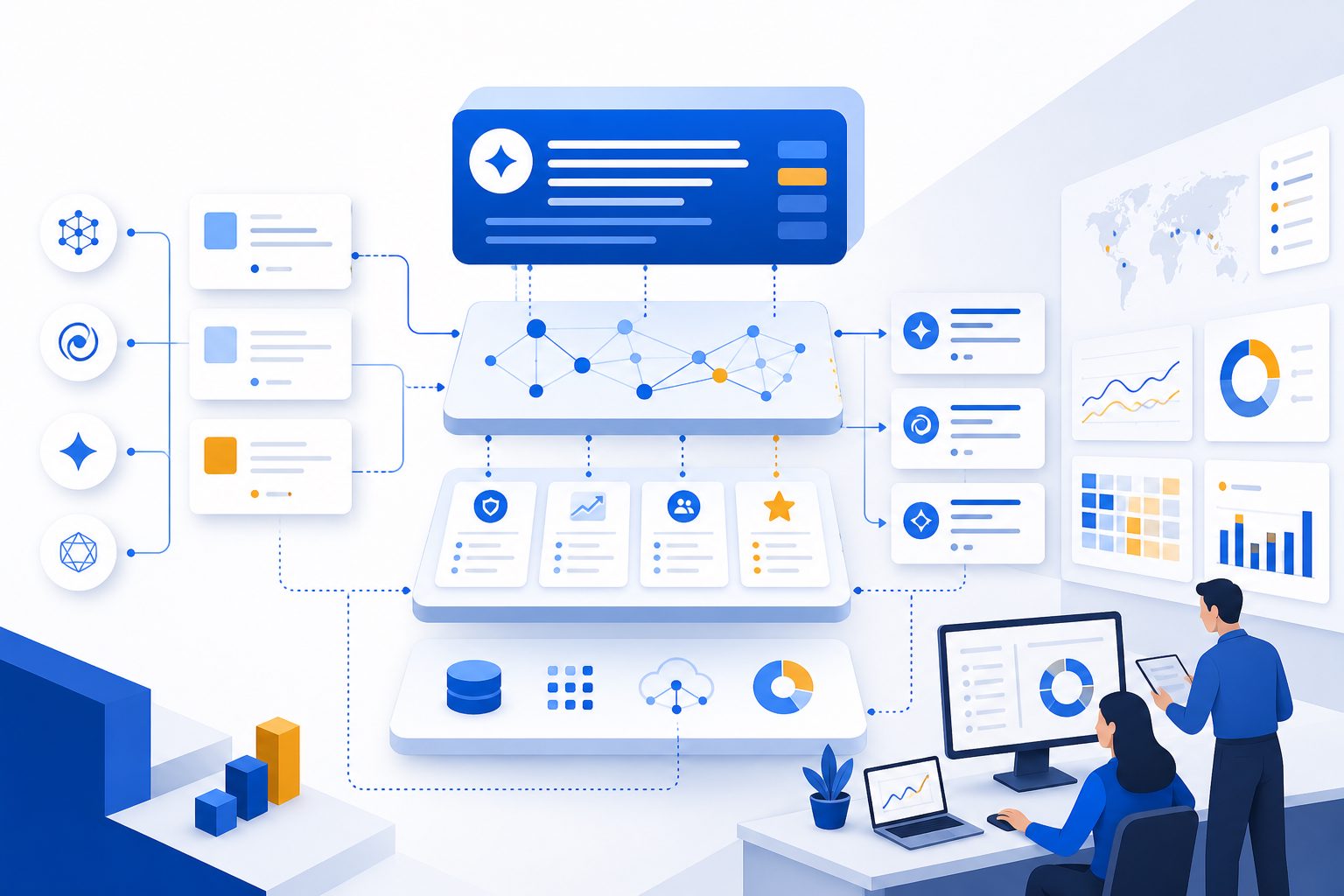
Traditional search engines index pages based on keywords, backlinks, and technical crawlability. In contrast, answer engines process natural language prompts, query structured knowledge graphs and vector databases, and generate direct comparative answers. To secure recommendations during high-intent buyer research, brands must transition toward systematic, multi-platform optimization.
What Is Profound Answer Engine Optimization?
Profound answer engine optimization is the practice of structuring, validating, and distributing brand knowledge across digital ecosystems so that AI answer engines retrieve and cite your product as the primary solution for relevant buyer queries. Unlike basic search optimization, it focuses on context retrieval, sentiment positioning, and direct recommendation frequency across generative models.
Traditional SEO vs. Profound AEO
┌─────────────────────────────────┐      ┌─────────────────────────────────┐
│         Traditional SEO         │      │          Profound AEO           │
├─────────────────────────────────┼──────┼─────────────────────────────────┼
│ • Ranks blue links (SERP)       │      │ • Generates direct synthetic answers
│ • Keyword density & PageRank    │      │ • Semantic embeddings & entity graphs
│ • Click-through rate (CTR)      │      │ • Share of voice & citation share
│ • Single-engine focus (Google)  │      │ • Multi-engine (ChatGPT, Gemini, etc.)
└─────────────────────────────────┘      └─────────────────────────────────┘
Modern answer engines do not read the entire web in real time. Instead, they rely on a combination of pre-trained model weights and Retrieval-Augmented Generation (RAG). When a user asks an AI engine for software recommendations, the engine executes semantic vector searches across high-authority sources, extracts concise informational passages, and synthesizes a final recommendation. Understanding how AI retrieval actually works is essential to influencing these generative pipelines.
The Core Technical Pillars of Advanced AEO
Executing a profound answer engine optimization strategy requires mastering three foundational layers: entity disambiguation, passage retrieval formatting, and cross-platform verification.
1. Entity Disambiguation and Schema Architecture
Large language models map concepts using entity relationship graphs. If an AI model cannot unambiguously connect your brand name to specific use cases, company sizes, and capabilities, it will omit your product from buyer shortlists. Organizations must implement nested Schema.org markup (such as SoftwareApplication, Organization, and FAQPage) to provide unambiguous semantic metadata that crawlers parse during RAG retrieval.
2. Passage Engineering and Modular Context
Answer engines favor self-contained information chunks. When RAG pipelines retrieve web passages, text blocks exceeding standard token windows or lacking direct context get truncated or dropped. Applying passage engineering for AI search ensures that your core value propositions, feature sets, and pricing parameters remain intact even when extracted out of context.
3. Third-Party Citation Ecosystems
Generative models do not rely solely on your official domain. To prevent hallucination and bias, AI engines cross-reference independent review platforms, technical documentation, industry blogs, Reddit discussions, and comparison matrices. Securing citations across these secondary authoritative nodes directly influences whether an AI engine views your brand as a credible recommendation.
Why Traditional SEO Tools Fail in Answer Engines
Traditional SEO platforms track keyword search volume, backlink counts, and rank positions on Google SERPs. However, these metrics offer zero visibility into whether ChatGPT mentions your brand or if Perplexity routes buyers to a competitor.
| Optimization Vector | Traditional SEO Platforms | AI Visibility Platforms (e.g., MaxAEO) |
|---|---|---|
| Output Tracked | URL rank position (1–100) | Brand mention, recommendation rank, citation source |
| Data Refresh | Weekly / Monthly rank checks | Daily prompt runs across 8+ AI engines |
| Engines Monitored | Google, Bing | ChatGPT, Perplexity, Gemini, Claude, Copilot, DeepSeek, etc. |
| Context Analysis | Keyword density, SERP snippets | Sentiment analysis, factual accuracy, share of voice |
| Actionable Output | Meta tags, backlink audits | Citation funnel gaps, AI-ready structured content |
Because AI search responses are dynamic and non-deterministic, static rank tracking cannot capture competitive displacement. Marketers need real-time AI share of voice tracking to evaluate how often their product appears in synthetic recommendation sets.

Diagnostic Framework: How to Audit Your AI Visibility
Auditing your brand’s AI search footprint requires testing commercial prompts across multiple engines and cataloging the resulting synthetic answers. Follow this four-step diagnostic workflow:
AI Visibility Diagnostic Loop
[ 1. Map Buyer Prompts ] ──► [ 2. Execute Multi-Engine Runs ] ──► [ 3. Extract Citations ] ──► [ 4. Deploy Structured Fixes ]
Step 1: Map Intent-Driven Buyer Prompts
Identify the exact prompts potential buyers submit when evaluating software. These typically fall into four categories:
- Category Discovery: "What are the best enterprise generative engine optimization tools?"
- Direct Comparison: "Brand A vs. Brand B for mid-market teams."
- Feature Verification: "Does Brand A integrate natively with Snowflake?"
- Alternative Queries: "Top alternatives to Tool X for privacy-conscious teams."
Step 2: Multi-Platform Execution
Run these prompt clusters across all major AI engines, including ChatGPT, Perplexity, Google Gemini, Anthropic Claude, Microsoft Copilot, DeepSeek, Grok, and Google AI Overviews. Ensure queries are executed without historical session bias to reflect raw retrieval outputs.
Step 3: Analyze Sentiment and Citation Sources
Catalog which domains the models cite when recommending competitors. Are they referencing specific G2 grids, Reddit threads, independent blogs, or direct comparison pages? Note whether your brand mentions carry positive, neutral, or negative sentiment, and check for factual inaccuracies regarding your pricing or capabilities.
Step 4: Deploy AI-Ready Remediation
Bridge identified visibility gaps by publishing structured comparison pages, claiming third-party profile listings, and creating technical documentation optimized for LLM ingestion. A comprehensive AI search strategy framework guides content updates toward verifiable facts that models easily digest.
Operationalizing AEO: Continuous Monitoring with MaxAEO
Executing manual audits across dozens of buyer prompts and multiple AI engines daily is unsustainable. Dedicated AI visibility platforms automate this workflow by continuously monitoring synthetic answers, tracking competitor movement, and highlighting critical citation gaps.
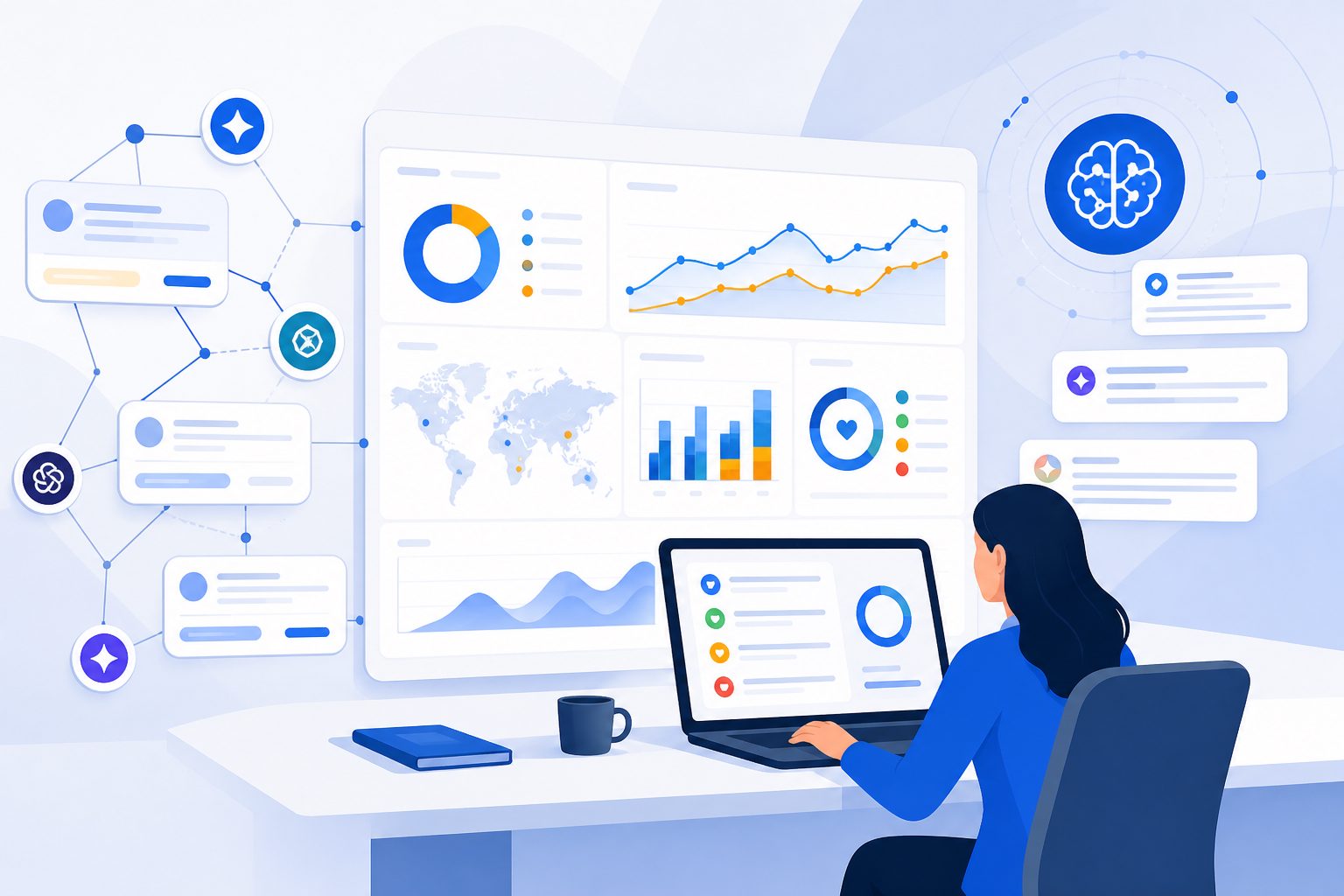
MaxAEO is an AI search brand visibility platform operated by HIII PTE. LTD. Built specifically for SaaS buyers, DTC brands, and digital marketers, MaxAEO provides an all-in-one browser-based SaaS suite to monitor, diagnose, and optimize brand presence across 8 major AI engines: ChatGPT, Gemini, Perplexity, Claude, Copilot, Grok, Google AI Mode, and Google AI Overviews.
Key Capabilities of the MaxAEO Platform:
- 8-Engine Daily Tracking: Automatically runs custom buyer prompts daily across 8 AI platforms, recording synthetic answers, average recommendation positions, and brand mention rates.
- Comprehensive 9-Dimension Analytics: All plans feature complete 9-dimensional visibility analytics, covering share of voice, sentiment positioning, competitive rank benchmarking, and factual accuracy checks.
- Citation Source Attribution: Identifies the exact URLs, review platforms, Reddit threads, and technical comparison pages AI models cite when recommending your competitors.
- Instant SEO-to-Prompt Conversion: Seamlessly converts existing SEO keyword lists into targeted AI monitoring prompts categorized by audience intent.
- Enterprise-Grade Security: Operates with AES-256 data encryption and strict account isolation. MaxAEO never uses private client data or report queries to train public AI models.
Getting started requires no tracking scripts or engineering integration. Users can enter their website URL at maxaeo.ai to generate a free AI visibility audit in about 60 seconds, identifying immediate visibility gaps and competitive benchmarks across generative engines.
Frequently Asked Questions (FAQ)
What is the primary difference between SEO and AEO?
Traditional SEO focuses on optimizing web pages to rank in search engine results pages (SERPs) for clicks, whereas Answer Engine Optimization (AEO) focuses on structuring brand information so AI models retrieve, synthesize, and recommend your product directly within conversational answers.
Which AI engines should brands monitor for visibility?
Brands should monitor the primary conversational engines driving buyer research: ChatGPT (OpenAI), Gemini (Google), Perplexity, Claude (Anthropic), Copilot (Microsoft), Grok (xAI), DeepSeek, and Google AI Overviews.
How do answer engines choose which sources to cite?
Answer engines select citations based on semantic relevance, source authority, domain credibility, structural clarity, and consensus across independent web sources. They prioritize clear, factual passages that directly answer user prompts without ambiguous context.
How quickly can a brand improve its AI search visibility?
Unlike traditional backlink building, which can take months, AI search engines frequently update their retrieval indexes. By publishing structured comparison content, updating high-authority third-party sources, and optimizing passages for RAG systems, brands can see citation shifts within weeks of index refreshes.